
Methods
The SMBC provides accurate and absolute quantitation of small molecules in biological samples. Our services include UPLC-MS/MS assay development and validation, and sample analysis with or without sample processing. Current methods available from the core are listed below.
- Alpha Agonist Panel
Method validated for a panel of three alpha-2A adrenergic receptor agonists:
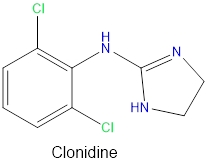
• Clonidine, Lofexidine LLOQ 0.1 ng/mL
• Tizanidine LLOQ 0.2 ng/mLTypical sample volume: 100 μL human plasma
Typical LLOQ: 0.1-0.2 ng/mL- Antiretroviral (ARV) Panel - Plasma
Method validated for a panel of nine antiretrovirals:
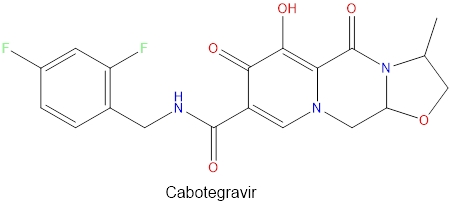
• Abacavir (ABC)
• Bictegravir (BIC)
• Cabotegravir (CAB)
• Dolutegravir (DTG)
• Doravirine (DOR)
• Emtricitabine (FTC)
• Lamivudine (3TC)
• Raltegravir (RAL)
• Tenofovir (TFV)Typical sample volume: 50 μL human plasma
Typical LLOQ: 1 ng/mL- Antiretroviral (ARV) Panel - Seminal Plasma
Method validated for a panel of cabotegravir,
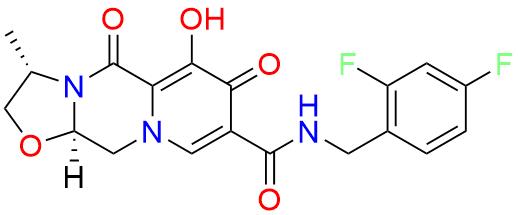
lenacapavir,
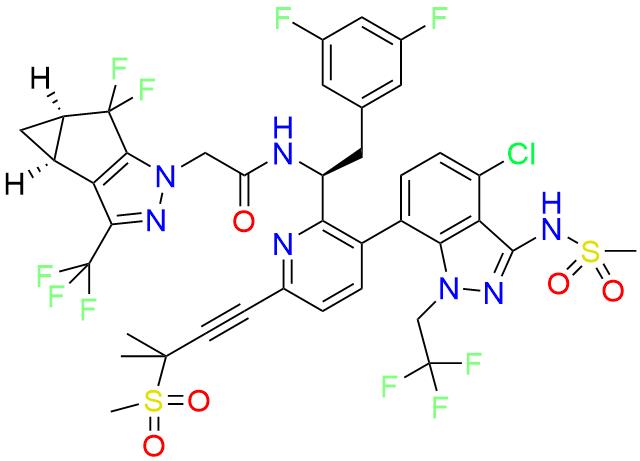
and rilpivirine.
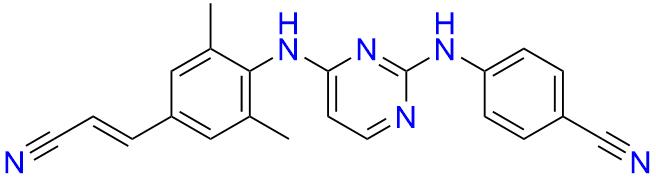
Typical sample volume: 50 µL of human plasma or seminal fluid
Typical LLOQ: 0.1 ng/mL for all analytes- Antiretroviral (ARV) Panel - Tissue
Method validated for a panel of five antiretrovirals in cervical, rectal, and vaginal tissues:
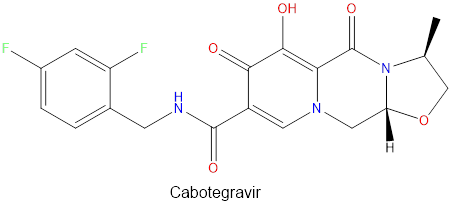
• Bictegravir (BIC)
• Cabotegravir (CAB)
• Dolutegravir (DTG)
• Doravirine (DOR)
• Raltegravir (RAL)Typical sample volume: 0.5 mL tissue homogenate
Typical LLOQ: 0.05 ng/mL- Arginine and Ornithine
Method validated for a panel of arginine
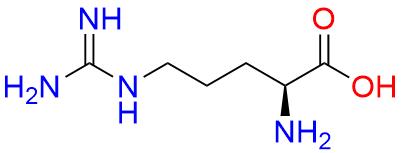
and ornithine.
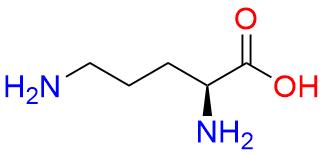
Typical sample volume: 25 μL human plasma, 150 μL human tissue, or 25 μL human urine
Typical LLOQ: 100 ng/mL in plasma, 100 ng/mL for arginine and 10 ng/mL for ornithine in tissue, or 100 ng/mL in urine- Asymmetric Dimethylarginine (ADMA)
Method validated for asymmetric dimethylarginine (ADMA).
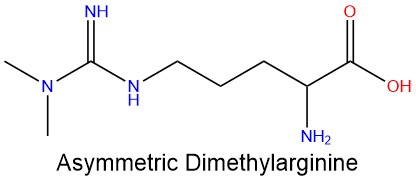
Typical sample volume: 0.2 mL cerebrospinal fluid (CSF); 0.1 mL serum
Typical LLOQ: 1 ng/mL in CSF- Brimonidine and Timolol
Method validated for brimonidine and timolol.
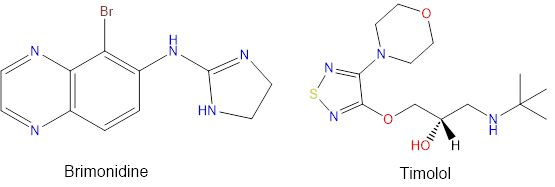
Typical sample volume: 50 μL human serum
Typical LLOQ: 0.05 ng/mL- Caffeine
Method validated for caffeine.
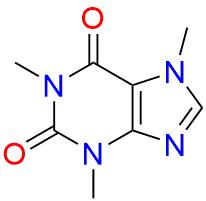
Typical sample volume: 25 µL of human plasma
Typical LLOQ: 10 ng/mL- Creatine and Guanidinoacetic Acid
Method validated for creatine and guanidinoacetic acid.
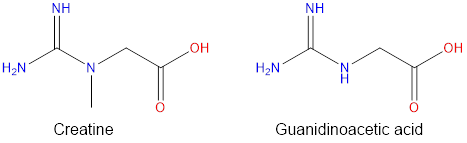
Typical sample volume: 50 μL human plasma, 50 μL human tissue, or 25 μL human urine
Typical LLOQ: 50 ng/mL in plasma, 1 ng/mL for GAA and 10 ng/mL for creatine in tissue, 100 ng/mL in urine- Doxycycline
Method validated for doxycycline.
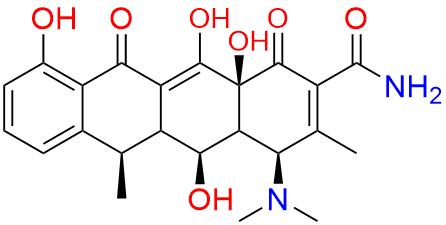
Typical sample volume: 25 µL of human plasma
Typical LLOQ: 100 ng/mL- Endocrine Panels
Methods validated for selected compounds in three endocrine panels:
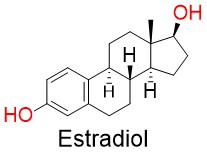
Estrogens:
• Estradiol LLOQ 1 pg/mL
• Estrone LLOQ 1 pg/mL
• Ethinylestradiol LLOQ 2.5 pg/mL
Typical sample volume: 0.5 mL serum/plasmaAndrogens:
• Testosterone
• Androstenedione
Typical sample volume: 0.5 mL serum/plasma
Typical LLOQ: 25 pg/mLProgestins:
• Etonogestrel
• Levonorgestrel
• Medroxyprogesterone acetate
• Norethindrone
• Progesterone
Typical sample volume: 0.5 mL serum/plasma
Typical LLOQ: 25 pg/mL- Escitalopram
Method validated for escitalopram.
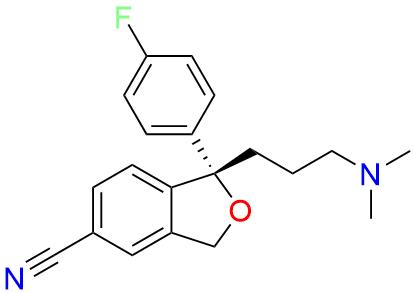
Typical sample volume: 200 µL of human plasma and 500 µL of human tissue
Typical LLOQ: 0.02 ng/mL for plasma and 0.01 ng/mL for tissue- Fexofenadine and Olmesartan
Method validated for fexofenadine and olmesartan.
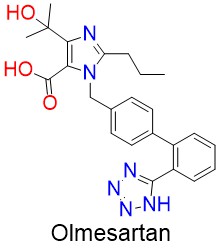
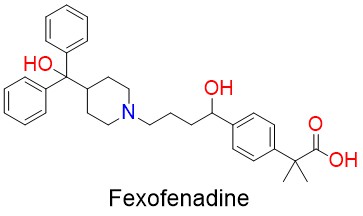
Typical sample volume: 50 μL human serum
Typical LLOQ: 1 ng/mL- Glyburide
Method developed and preliminarily validated for glyburide.
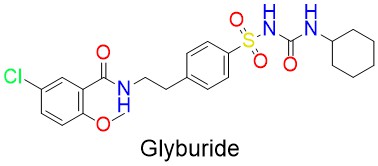
Typical sample volume: 200 μL serum; 400 μL brain tissue
Typical LLOQ: 50 pg/mL- Guanosine Triphosphate (GTP)
Method validated for guanosine triphosphate (GTP).
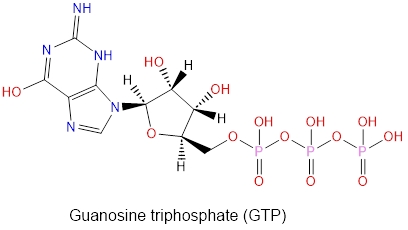
Typical sample volume: 50 μL cell lysate
Typical LLOQ: 25 ng/mL- 20-HETE
Method validated for 20-hydroxyeicosatetraenoic acid (20-HETE).
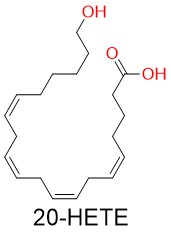
Typical sample volume: 1.0 mL human cerebrospinal fluid (CSF); 0.5 mL human plasma
Typical LLOQ: 0.2 ng/mL in human CSF; 0.4 ng/mL in human plasma- Ketamine Panel
Method validated for ketamine and its metabolites including norketamine, dehydronorketamine, 2S,6S hydroxynorketamine, and 2R,6R hydroxynorketamine.
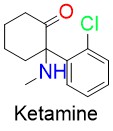
Typical sample volume: 200 μL serum
Typical LLOQ: 0.1 ng/mL- Lenacapavir (LEN)
Method validated for lenacapavir (LEN).
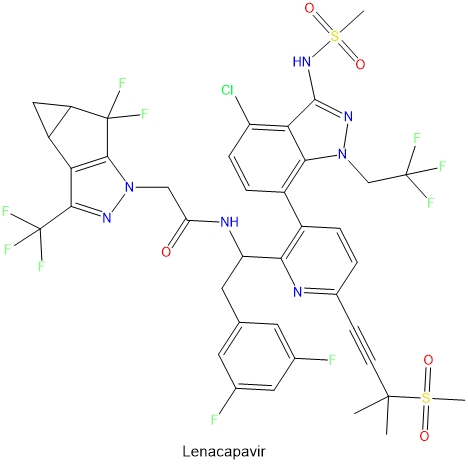
Typical sample volume: 50 μL human plasma, 25 µL mouse plasma
Typical LLOQ: 0.1 ng/mL (human) and 1 ng/mL (mouse)- LY2886721
Method validated for LY2886721.
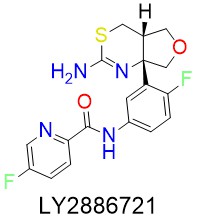
Typical sample volume: 25 μL serum or brain tissue
Typical LLOQ: 0.5 ng/mL- Melatonin and N-Acetylserotonin
A method for melatonin and N-acetylserotonin has been preliminarily developed.
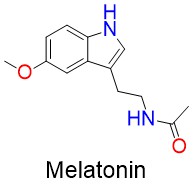
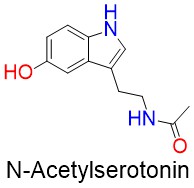
Typical sample volume: 500 μL serum
Typical LLOQ: 1 ng/mL- Metformin
Method validated for metformin.
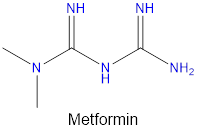
Typical sample volume: 50 μL human plasma
Typical LLOQ: 5 ng/mL- Methylnicotinamide (MNA)
Method validated for 1-methylnicotinamide (MNA), a methylated amide of nicotinic acid in human serum or urine.
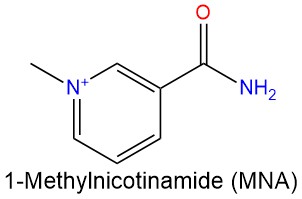
Typical sample volume: 50 μL serum or urine
Typical LLOQ: 1 ng/mL for serum; 0.5 μg/mL for urine- N6-Methyladenosine (m6A)
Method validated for N6-methyladenosine (m6A).
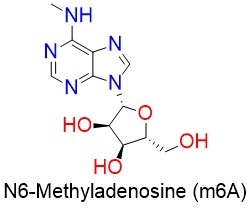
Typical sample volume: 50 μL cell lysate
Typical LLOQ: 0.1 ng/mL- N-Acetylaspartate
Method developed and preliminarily validated for N-acetylaspartate.
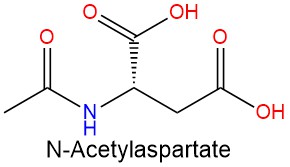
Typical sample volume: 20 μL cerebrospinal fluid (CSF)
Typical LLOQ: 0.5 μM- Nucleoside Panel
A method for adenosine 3',5'-cyclic monophosphate (cAMP) and other metabolites has been preliminarily developed.
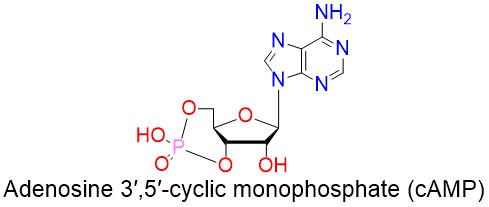
Typical sample volume: 100 μL cell lysates, urine or tissue
Typical LLOQ: 0.05 ng/mL- Porphobilinogen
Method validated for porphobilinogen.
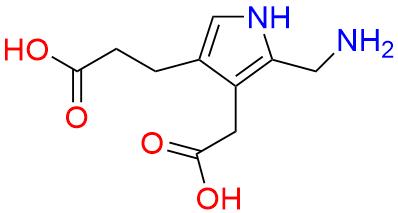
Typical sample volume: 100 µL of rat tissue
Typical LLOQ: 1 ng/mL- Prostaglandin Panel
A method for selected metabolites of arachidonic acid in the cyclooxygenase pathways has been preliminarily developed:
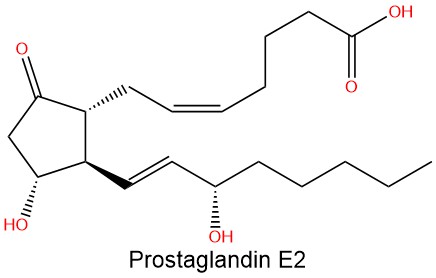
• Prostaglandin A2 (PGA2)
• Prostaglandin E2 (PGE2)
• Prostaglandin F1alpha (PGF1alpha): 6-keto PGF1alpha
• Prostaglandin F2alpha (PGF2alpha): 11-beta PGF2alpha
• Prostaglandin J2 (PGJ2): 15-deoxy PGJ2, Delta-12 PGJ2Typical sample volume: Rat brain cortical tissue; 0.5 mL human plasma
Typical LLOQ: 0.1-0.2 ng/mL in rat brain cortical tissue; 0.4 ng/mL in human plasma- Rivaroxaban and Apixaban
Method validated for rivaroxaban and apixaban.
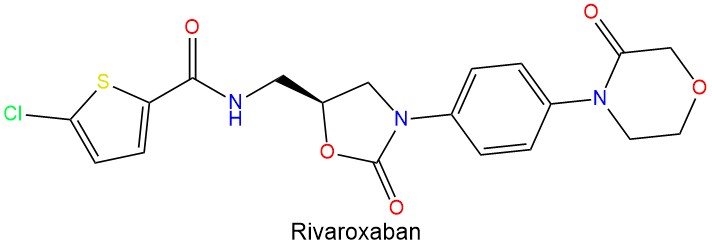
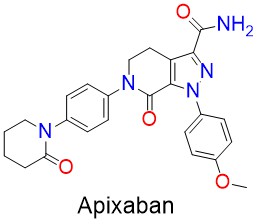
Typical sample volume: 100 μL serum
Typical LLOQ: 1 ng/mL- Sedative Panel
Method validated for a panel of nine sedatives and metabolites:
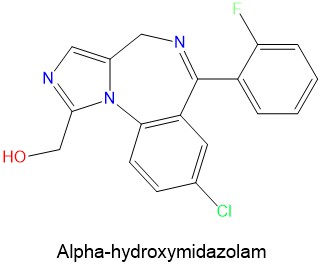
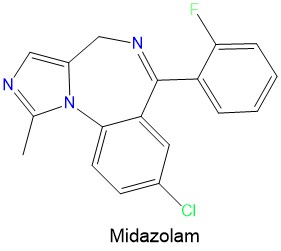
• Midazolam (MDZ), morphine (MOR) and hydromorphone (HM) LLOQ 0.5 ng/mL
• Alpha hydroxymidazolam (1-OH MDZ), morphine-3-glucuronide (M3G) and morphine-6-glucuronide (M6G) LLOQ 5 ng/mL
• Dexmedetomidine (DEX), fentanyl (FEN) and norfentanyl (NF) LLOQ 0.05 ng/mLTypical sample volume: 100 μL human plasma
Typical LLOQ: 0.05-5 ng/mL- Short-Chain Fatty Acids (SCFAs)
Method validated for a panel of propionate
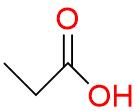
and butyrate.
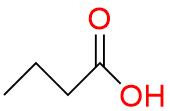
Typical sample volume: 25 µL of human plasma
Typical LLOQ: 1 ng/mL for both analytes- Sildenafil
Method validated for sildenafil and N-desmethyl sildenafil.

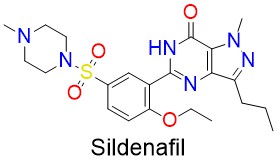
Typical sample volume: 50 μL serum, tissue, or amniotic fluid
Typical LLOQ: 0.5 ng/mL- Tetrahydrocannabinol (THC) Panel - Plasma
Method validated for tetrahydrocannabinol (THC), 11-hydroxy-THC, and 11-nor-9-carboxy-THC.
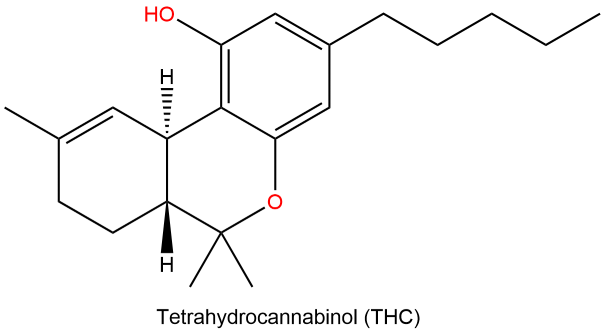
Typical sample volume: 150 µL human plasma; 150 µL human serum; 150 µL rat plasma
Typical LLOQ: 0.25 ng/mL- Tetrahydrocannabinol (THC) Panel - Urine
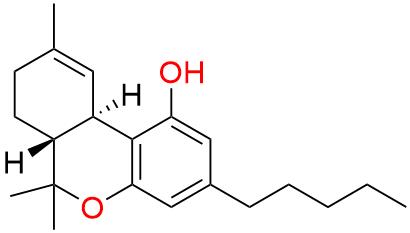
Method validated for tetrahydrocannabinol (THC), Delta-9 THC,
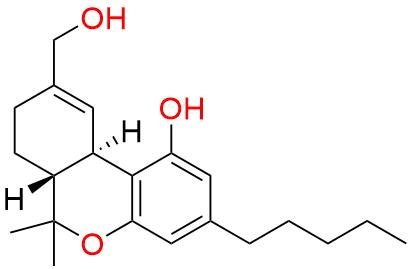
11-hydroxy-THC,
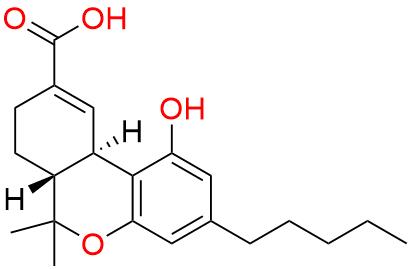
and 11-nor-9-carboxy-THC.
Typical sample volume: 500 µL of human urine
Typical LLOQ: 1 ng/mL for all analytes- TMAO Panel
Method validated for three metabolites of dietary phosphatidylcholine:
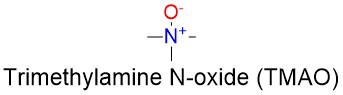
• Trimethylamine N-oxide (TMAO)
• Choline
• BetaineTypical sample volume: 50 μL human plasma or urine
Typical LLOQ: 10 ng/mL in plasma; 1000 ng/mL in urine- Uremic Toxin Panel
Method validated for four gut-derived uremic toxins:
• Kynurenic acid LLOQ 10 ng/mL
• Hippuric acid LLOQ 200 ng/mL
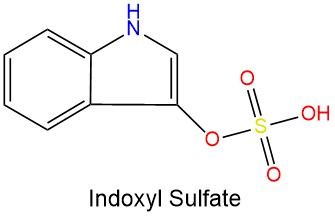
• Indoxyl sulfate LLOQ 200 ng/mL
• p-Cresol sulfate LLOQ 250 ng/mLTypical sample volume: 50 μL human serum
Typical LLOQ: 10-250 ng/mL- Vitamin D Metabolite Panel
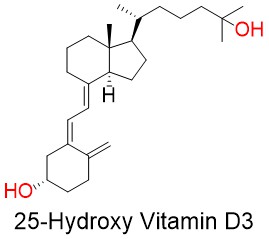
Method validated for 25-hydroxy vitamin D2, 25-hydroxy vitamin D3 and selected metabolites.
Typical sample volume: 500 μL serum
Typical LLOQ: 1 ng/mL- Warfarin and Metabolites
Method validated for R- and S-warfarin and its metabolites.

Typical sample volume: 0.5 mL human urine
Typical LLOQ: 5 ng/mLWarfarin and Alcohol Metabolites
Typical sample volume: 0.1 mL 10mM Tris-HCl incubation buffer
Typical LLOQ: Warfarin 100 ng/mL; Warfarin Alcohols: 0.5 ng/mL
New UPLC-MS/MS assays are constantly being developed and validated. Please contact Dr. Raymond E. West III (raymond.west@pitt.edu) for more information.